
Exploring the Rich Heritage of Indian Handloom
Handloom weaving plays a crucial role in empowering rural communities, particularly in developing countries like India. It serves as a major source of livelihood for millions of artisans, many of whom belong to economically disadvantaged backgrounds.
One of the key benefits of the handloom industry is its ability to generate employment in rural areas. Unlike large-scale industries that are concentrated in urban centers, handloom weaving can be practiced in villages, allowing artisans to work from their homes. This reduces migration to cities and helps maintain the social fabric of rural communities.
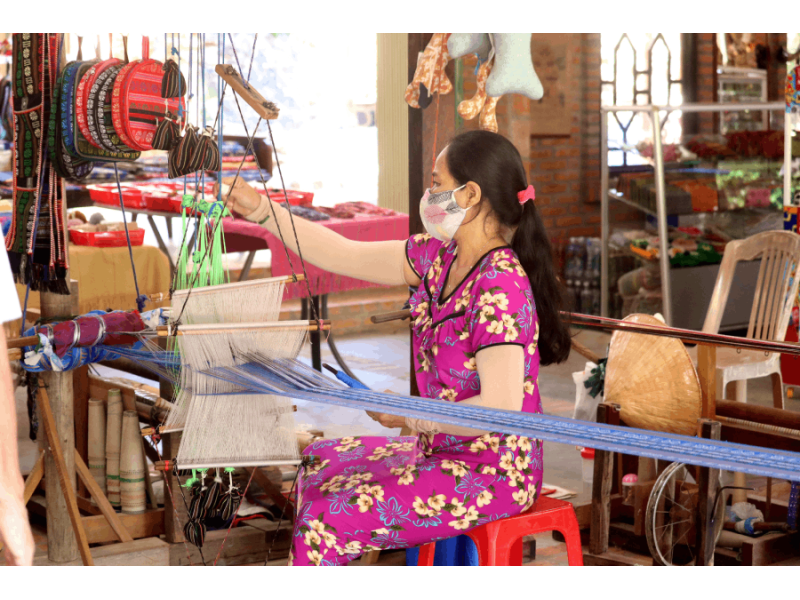
Women, in particular, benefit significantly from handloom weaving. It provides them with an opportunity to earn an income while managing household responsibilities. This financial independence enhances their status within the family and community.
Handloom weaving also preserves traditional skills and cultural heritage. Each region has its own unique patterns and techniques, which are passed down through generations. By supporting handloom products, consumers help keep these traditions alive.
Government initiatives and non-profit organizations have been instrumental in promoting the handloom sector. They provide training, financial assistance, and market access to artisans, enabling them to compete in the global market.
Despite these efforts, the handloom industry faces challenges such as competition from power looms and lack of awareness among consumers. However, increasing demand for sustainable and handmade products is creating new opportunities for growth.
By choosing handloom, consumers play a vital role in supporting rural artisans and promoting ethical practices. It is a simple yet powerful way to make a positive impact on society.
